Our History
Our historyOwning the past and committing to environmental improvement
Rawhiti Farm has a long and complex history, including periods of environmental non-compliance. These matters are acknowledged, alongside the ongoing work undertaken to improve the farm’s performance over time.
The story so far
How Rawhiti got here.
In 2023, extreme weather conditions, including Cyclone Gabrielle and sustained high rainfall, placed significant pressure on the farm's systems.
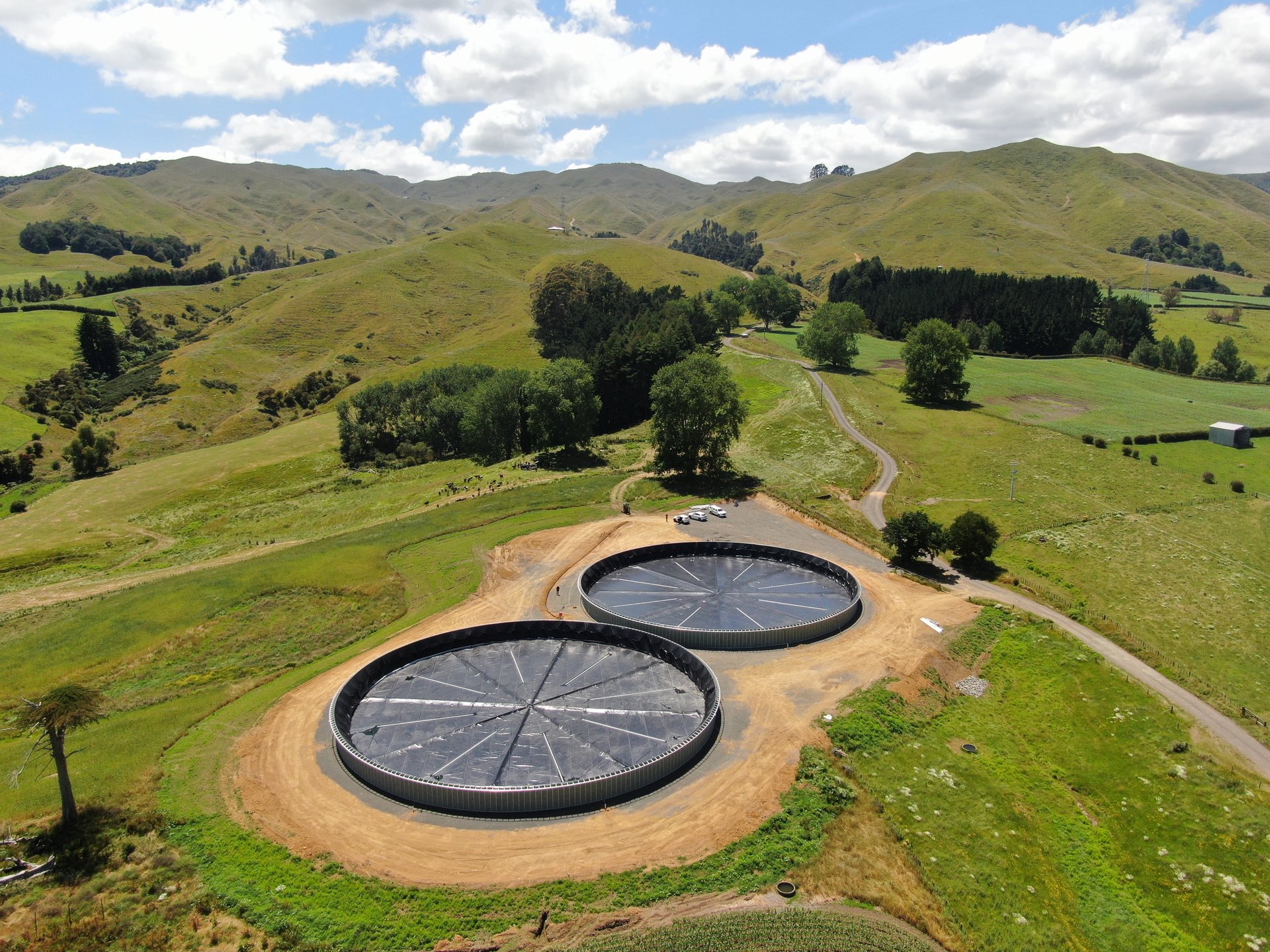
Significant capital investment has been made in upgrading effluent management systems together with changes to management and operations.
Rawhiti Farm regrets the effluent discharges in 2023 but is fully committed to responsible environmental management, continuous improvement, and its role as a contributor to the local community.
- 2016
Taking on a difficult legacy
The farm was acquired by a group of shareholders via mortgagee sale with significant legacy challenges, including a history of environmental non-compliance. Rawhiti received an abatement notice on its very first day.
- 2017–2019
Early improvement work
Rawhiti began investing effort and capital to improve the farm and move the system forward from the inherited position.
- 2019–2020
Family loss and disruption
Rawhiti Director and Leader, Brian Nabbs, was diagnosed with terminal cancer and later died, creating a difficult period for the family and business.
- 2020–2022
External lease period
During an external lease, further abatement notices occurred and the farm’s effluent systems were severely damaged.
- 2022–2023
Control, context and responsibility
External expertise was engaged, and substantial investment was made into upgrading the effluent management system and strengthening overall operations.
- 2023
Spills and apology
Cyclone Gabrielle and further record monthly rainfalls meant planned earthworks could not commence to install the new effluent system. Many contingency plans ultimately failed and led to a significant effluent spill in August 2023. Rawhiti apologises wholeheartedly.
- 2024 onward
A never-again mindset
From February 2024, Thomas Nabbs joined Rawhiti on the ground as CEO to help strengthen leadership with an emphasis on robust systems, accountability, and continuous improvement. A clear commitment has been made to ensuring past issues are not repeated and to maintaining higher environmental and operational standards.
Effluent spills
An apology, plainly stated.
Despite the efforts of many people, the system failed.
There were a series of effluent spills during 2023.
We are deeply sorry that this happened.
We are sorry to the environment, to the people affected, and to the animals and waterways that suffered harm. We acknowledge the distress and frustration this caused. These events should not have happened.
We take responsibility for ensuring they never happen again.
Righting wrongs, shaping the future
Looking Forward & Learning from the Past
The events of 2023 have been a defining point, shaping the farm’s systems, standards, and approach to management.
A clear commitment has been made to continuous improvement and to maintaining higher environmental and operational standards.
Community
Building stronger connections
As part of this approach, Rawhiti has strengthened its local relationships and community contribution, including:
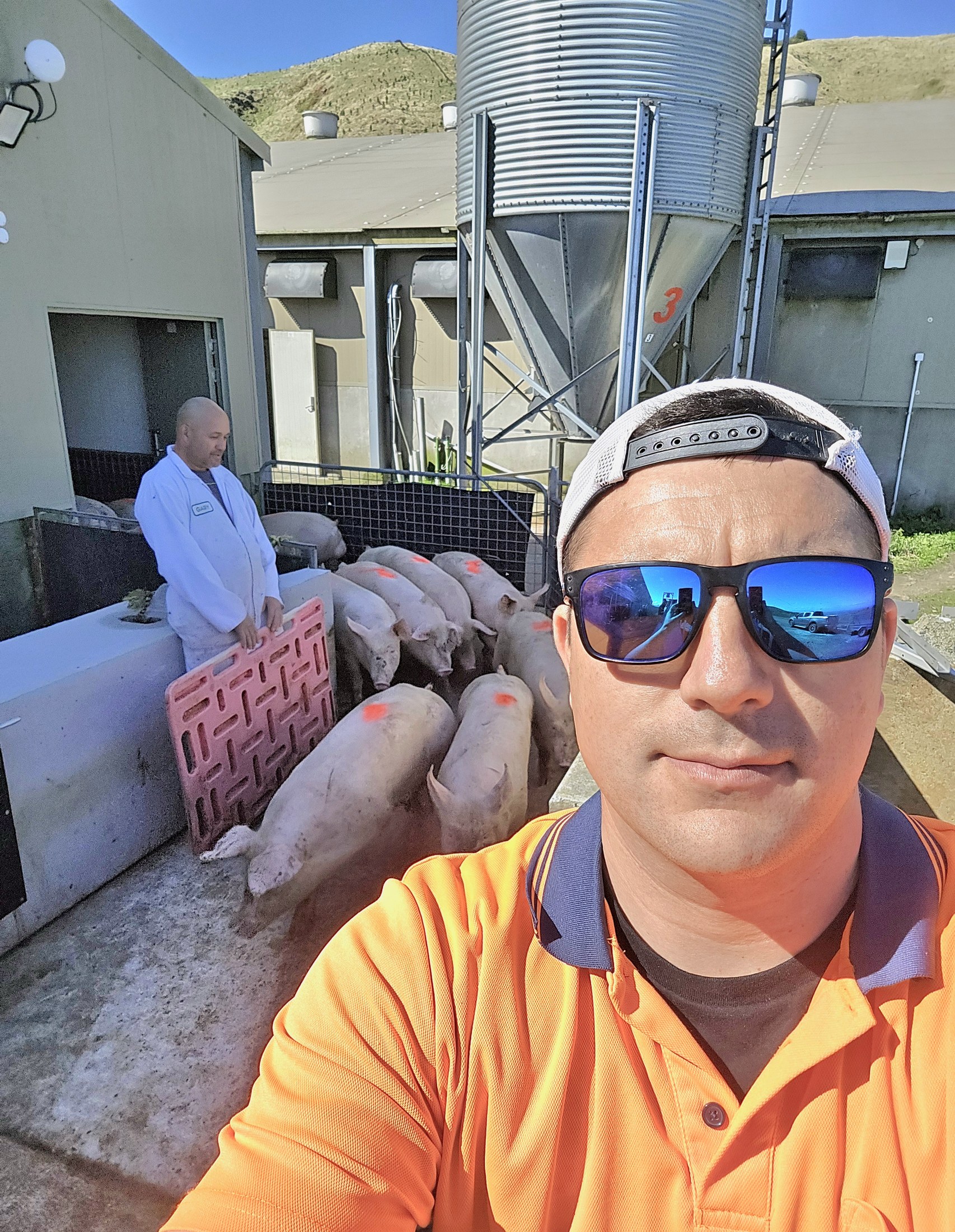
- • Transitioning the majority of feed supply from Auckland to Morrinsville
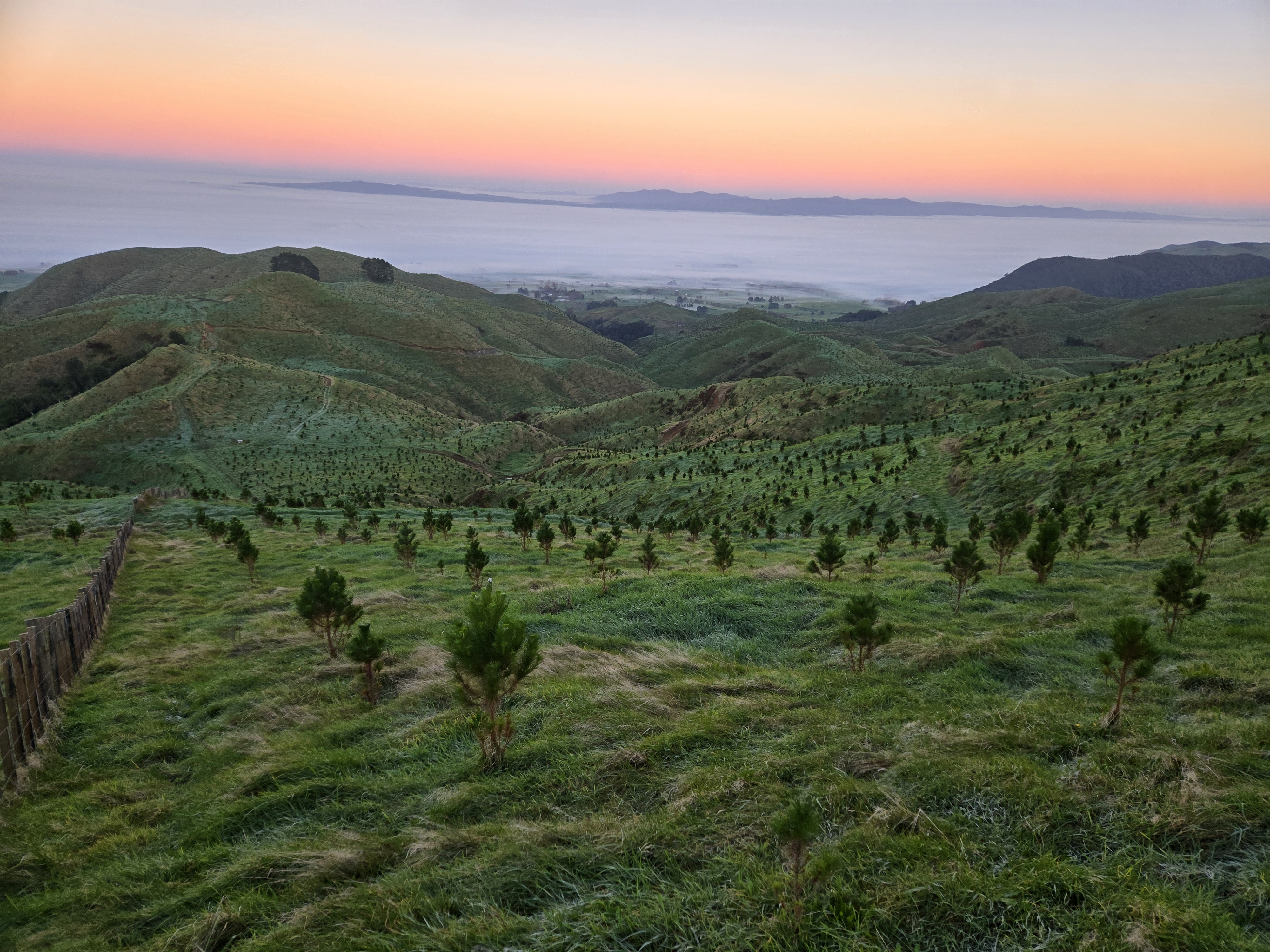
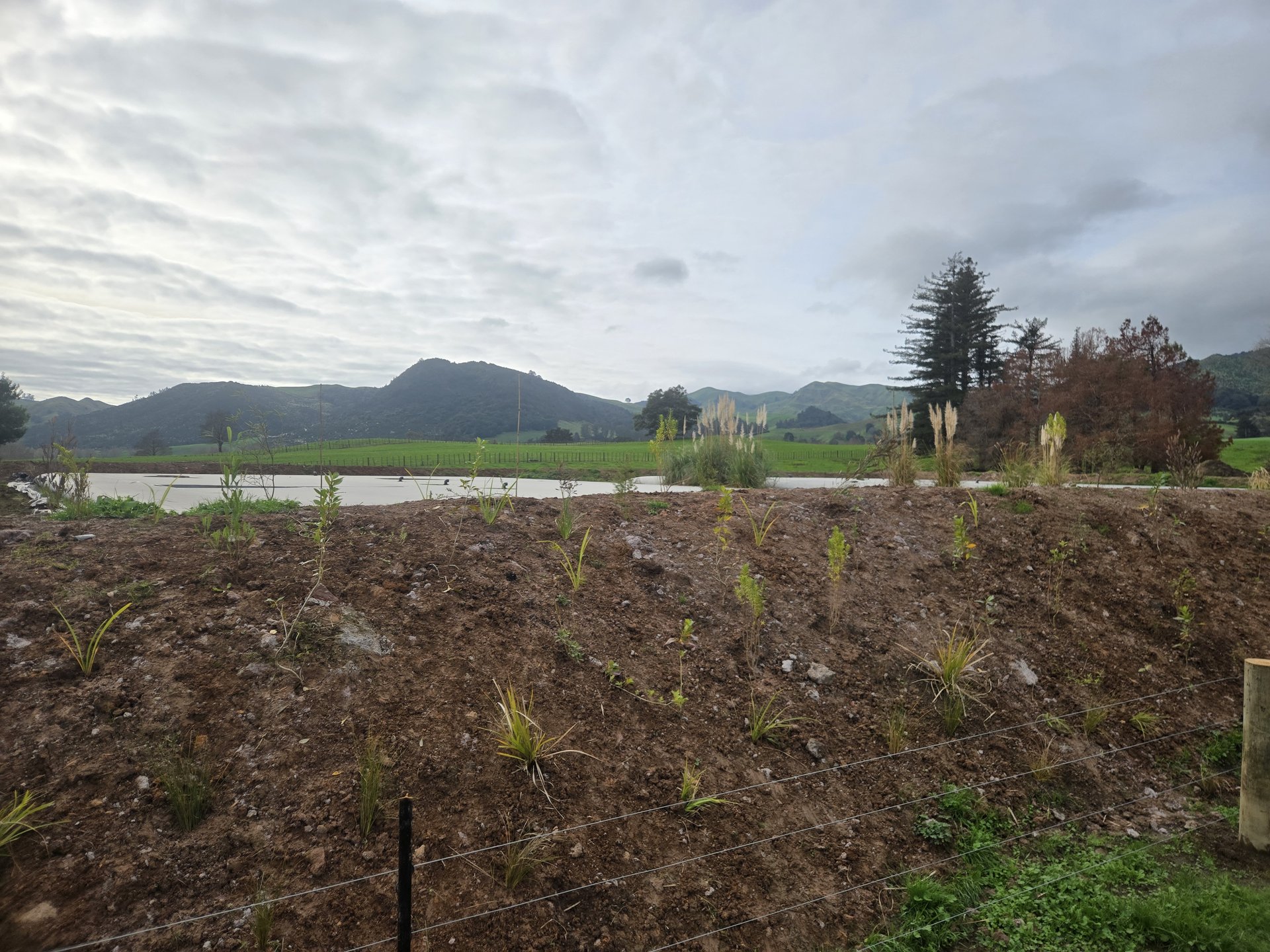
- • Partnering with Ngāti Tumutumu on riparian planting and community-focused initiatives
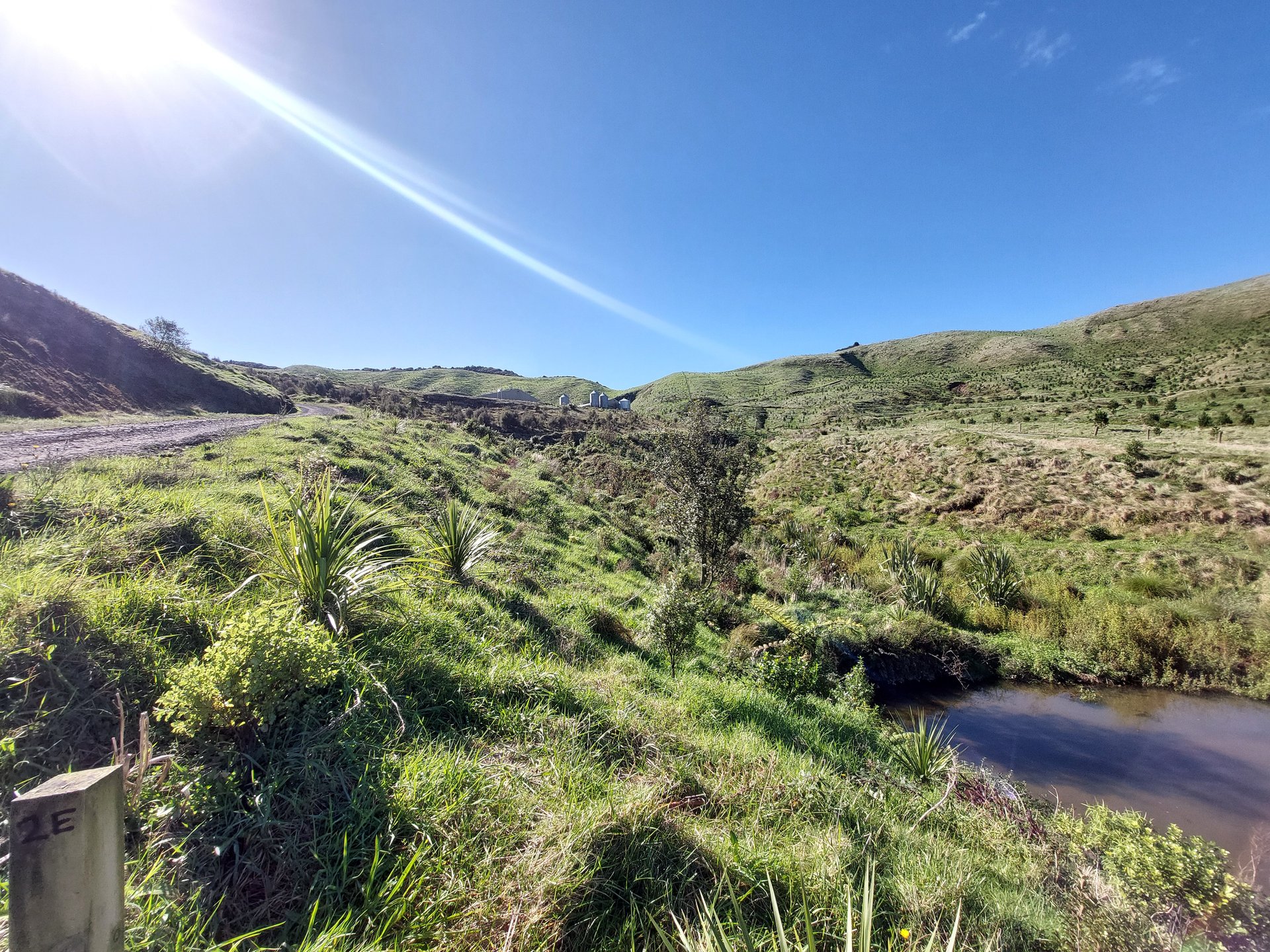
- • Undertaking restoration work in waterways
- • Supporting iwi-led native planting on Te Aroha Maunga
These initiatives reflect a genuine commitment to responsible stewardship and positive engagement with the local community.
Future
A positive future
Rawhiti Farm is focused on building a sustainable and resilient future, underpinned by improved systems, strong leadership, and a clear commitment to environmental responsibility.